



In diesem ArtikelAntippen und direkt zum Abschnitt springen
Updated: November 19, 2026. This guide shows you eight signs that can help you identify counterfeit Pokémon cards and tampered packaging, and how to shop safely.
In short: Most fakes are easy to spot when you place them directly next to a genuine card: the back colors, font, Holo effect, and card thickness almost always differ. The easiest test is the light test, which The Pokémon Company also recommends; many fakes let through significantly more light. A Price far below the usual market price is the most important warning sign.
Why counterfeits exist and where they turn up
The more popular Pokémon cards become, the more counterfeits enter circulation. They range from cheap “fantasy cards” with made-up attacks to copies of expensive cards that look genuine at first glance. According to The Pokémon Company, a particularly large number of reported cases come from flea markets. Online marketplaces, social media listings, and fake shops offering unrealistically low prices are also common sources. We also have a dedicated page on this topic with a warning about fake shops.
Important to know: No single sign is conclusive proof. So check each point one by one. It’s best to have a genuine card from a current Booster to compare it with.
The 8 signs of counterfeit Pokémon cards
| Feature | Genuine card | Typical of fakes |
|---|---|---|
| 1. Back and colors | rich, even blue, clear Poké Ball | too bright, too purple, washed out, or blotchy |
| 2. Font and text | consistent font, correct spelling | wrong font, typos, crooked lines |
| 3. Holo effect | clear pattern that matches the card type | rainbow sheen across the entire card |
| 4. Card thickness / light test | sturdy, lets through hardly any light | thin, flexible, lets through a lot of light |
| 5. Border and centering | clean cut, even yellow border | frayed edges, wrong border color |
| 6. Energy symbols and values | correct symbols, realistic HP and damage | wrong symbols, absurd values |
| 7. Packaging and sealing | neatly sealed, fits snugly | loose wrapping, glue residue, crooked seams |
| 8. Price and seller | typical for the market | “too good to be true” |
1. Back and colors
The back is the quickest way to check. Genuine international cards have a rich, even blue color, clear transitions in the swirls, and a sharply printed Poké Ball in the center. Fakes often look too bright, slightly purple, or washed out. Place the card in question directly next to a genuine one: differences in color are immediately obvious in a side-by-side comparison.
2. Font, text, and spelling
Genuine cards always use the same font at a consistent size. Check the names, attacks, and copyright notice along the bottom edge. Counterfeits often have a slightly different font, uneven spacing, or spelling mistakes, especially on cards in German when the text has been poorly translated. Incorrect accents, such as a missing “é” in “Pokémon,” are also a clue.
3. Holo effect
Genuine Holo and reverse Holo cards have a specific pattern that matches the card type and era. Modern illustrations often also have a textured surface, so you can feel the embossing with your finger. Counterfeits often have a flat rainbow sheen that runs evenly across the entire card, including areas where the genuine card has no Holo effect.
4. Card thickness and light test
The Pokémon Company itself names the light test as a good method: If you hold a fake card up to a bright light source, such as your smartphone’s flashlight, much more light often shines through than with a genuine card. Many counterfeits also feel thinner, smoother, or more flexible. Always compare it with a genuine card from the same period, since even genuine cards vary slightly depending on the year they were printed.
5. Border and centering
A slightly off-center border can also occur on genuine cards and isn’t proof on its own. But frayed or rough cut edges, corners rounded to the wrong radius, or a border color that doesn’t match the era are suspicious. Modern international cards from the Scarlet & Violet and Mega-Entwicklung series have silver rather than yellow borders, so a supposedly modern card with a yellow border is suspicious.
6. Energy symbols, HP, and values
Counterfeits often give themselves away in the details: Energy symbols in the wrong shape or color, unrealistically high HP values, attacks with absurd damage, or combinations that don’t exist in the real set. Check the name and card number in the official card galleries and card database, which you can access via the official Pokémon Trading Card Game website. If the card isn’t there or looks different, it’s very likely not genuine.
7. Packaging and sealing
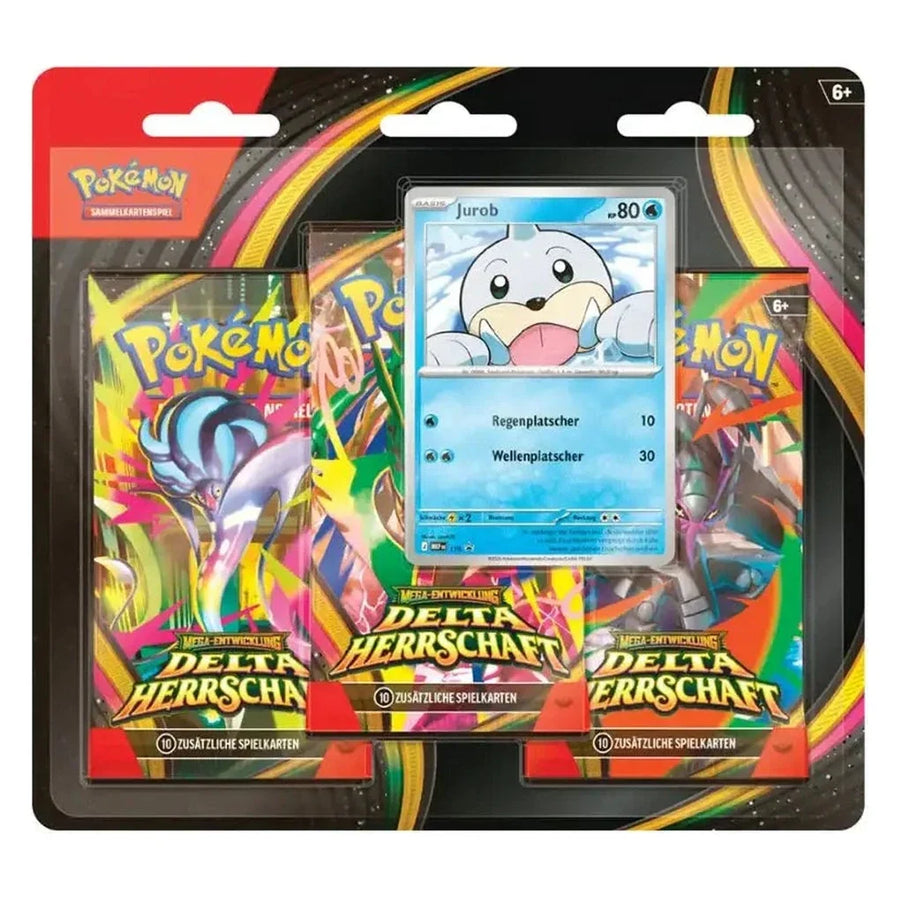
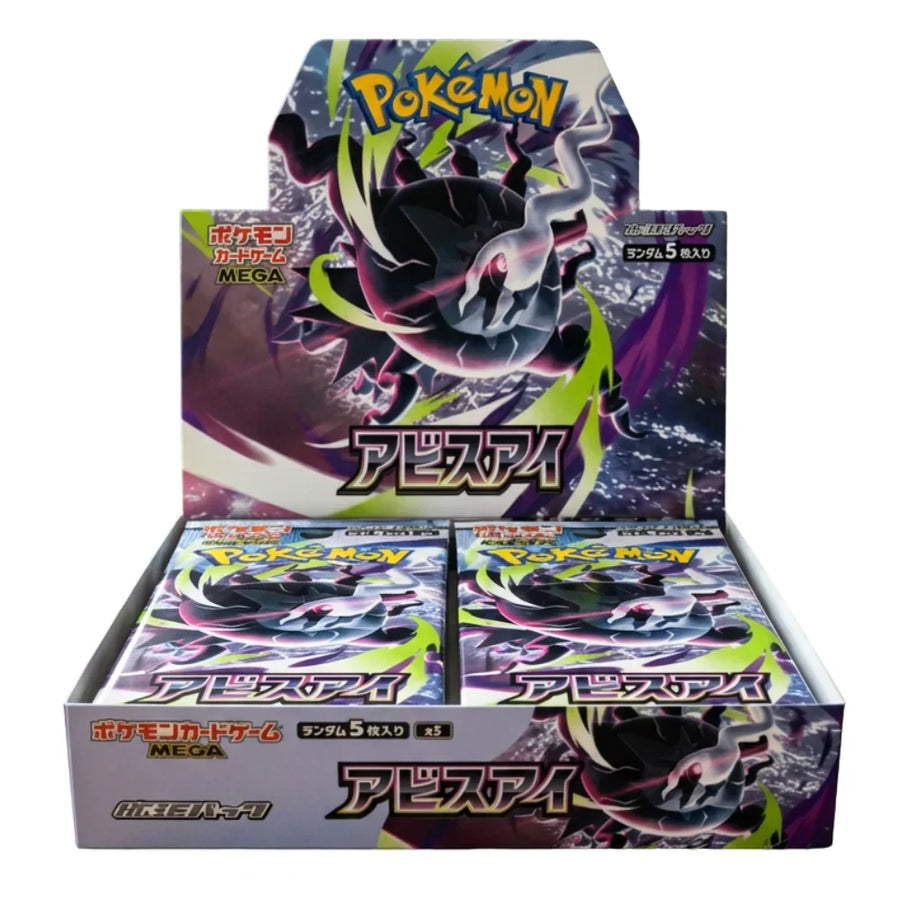
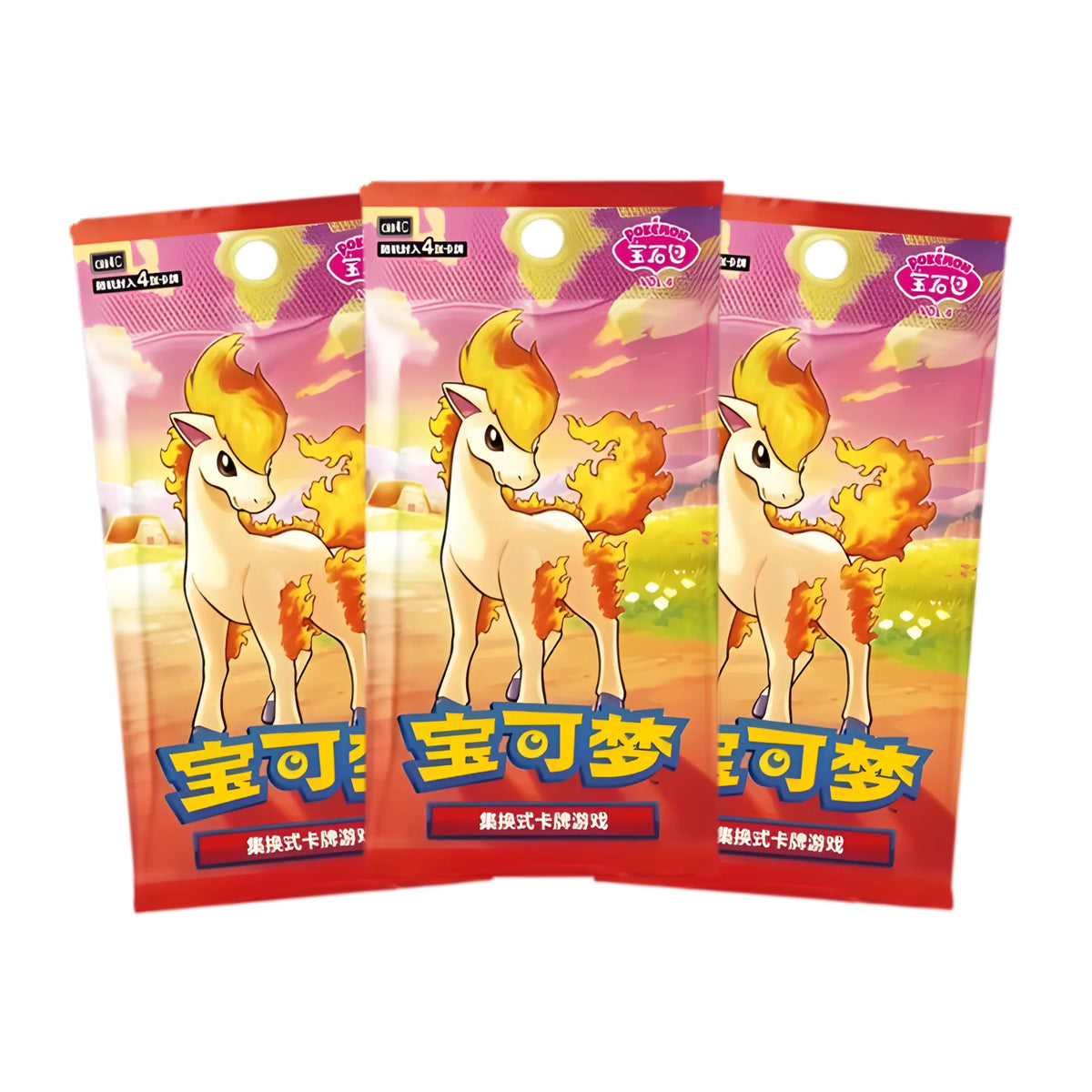
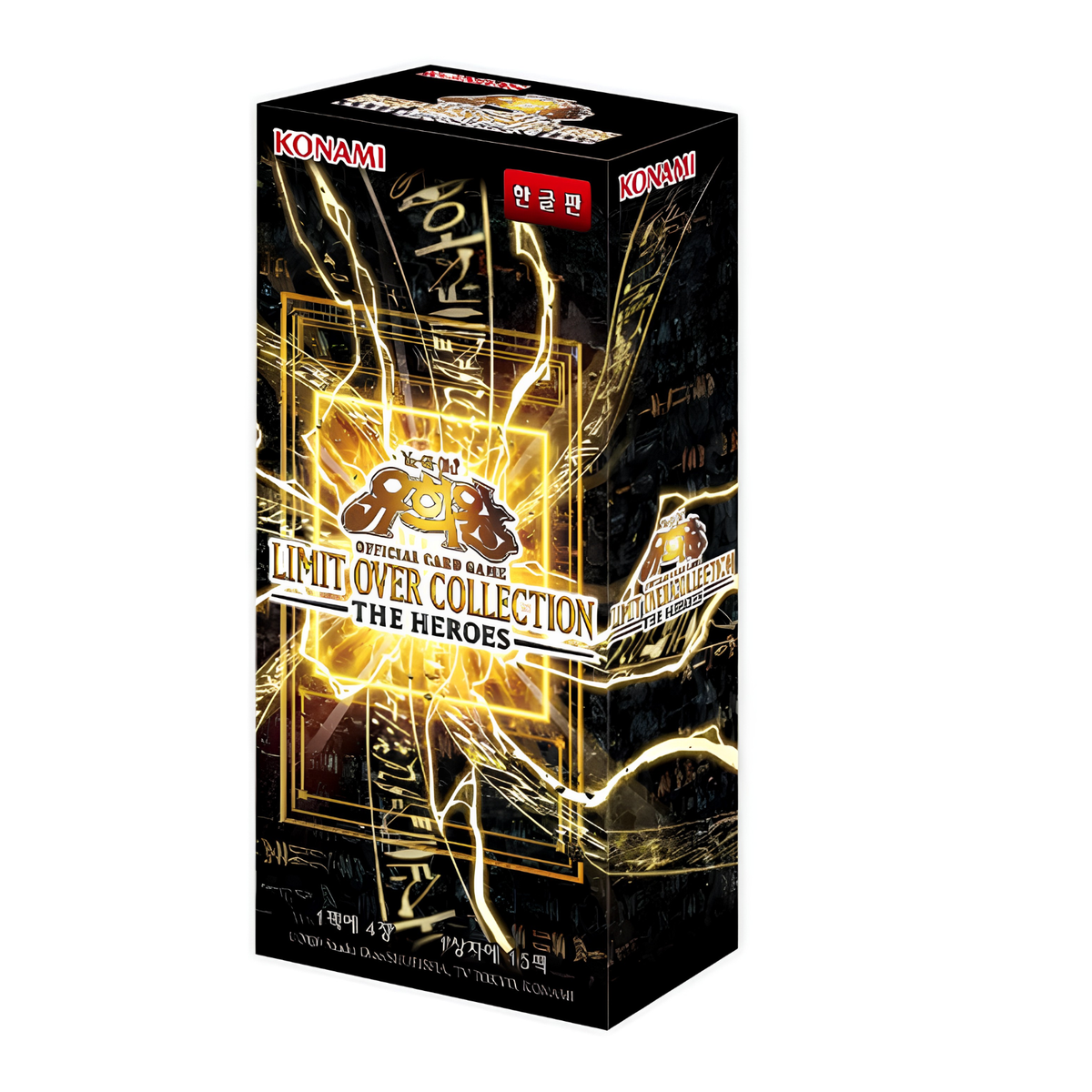
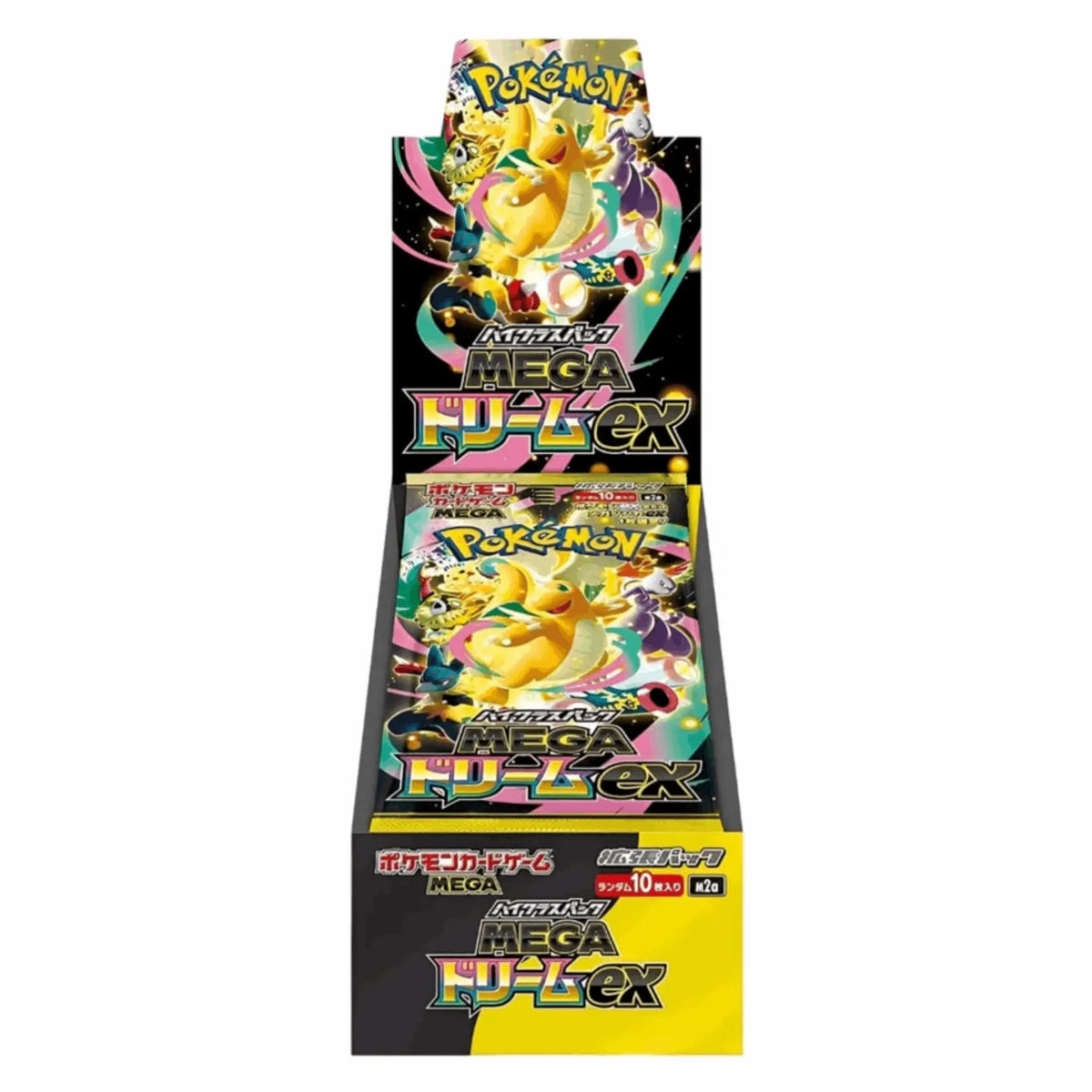
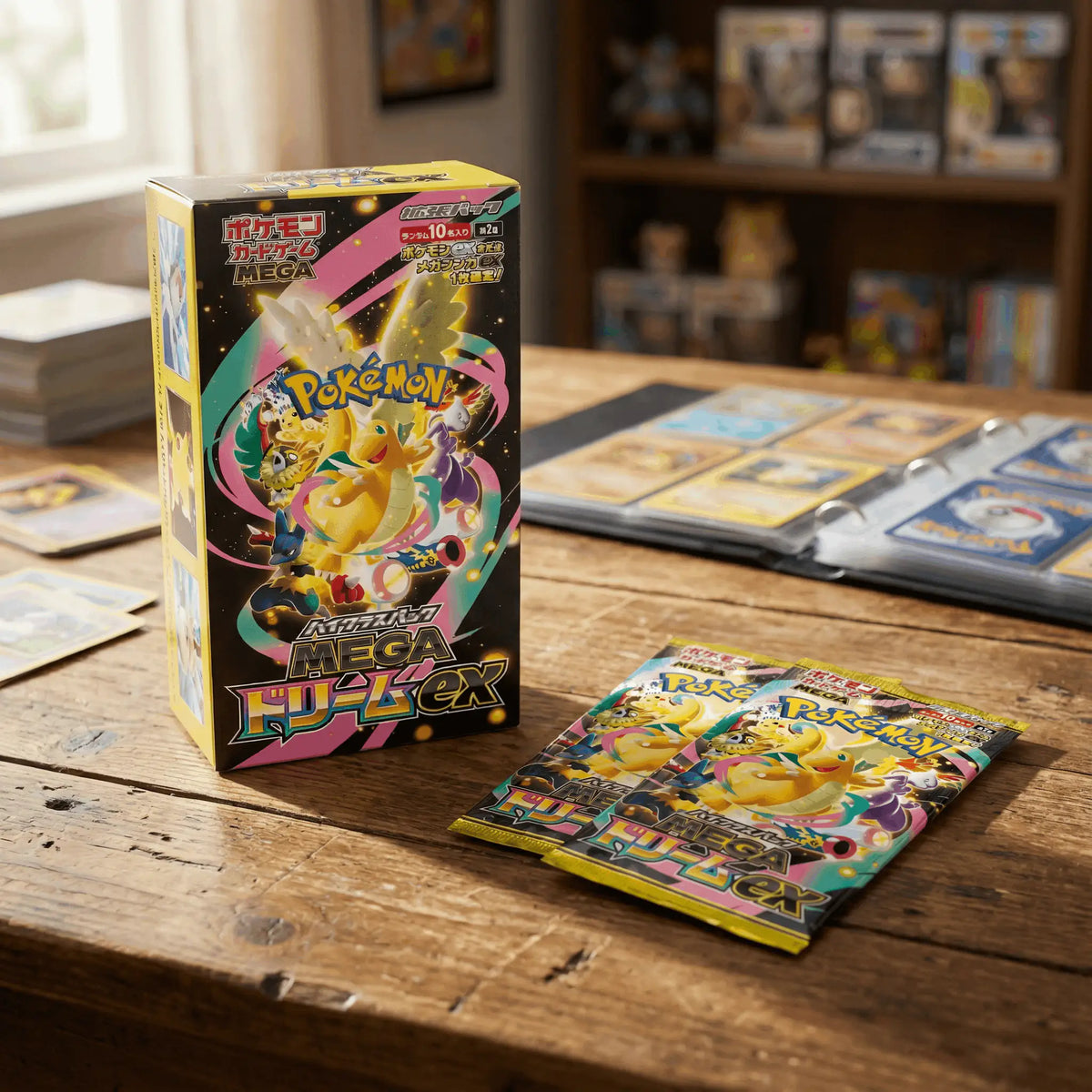
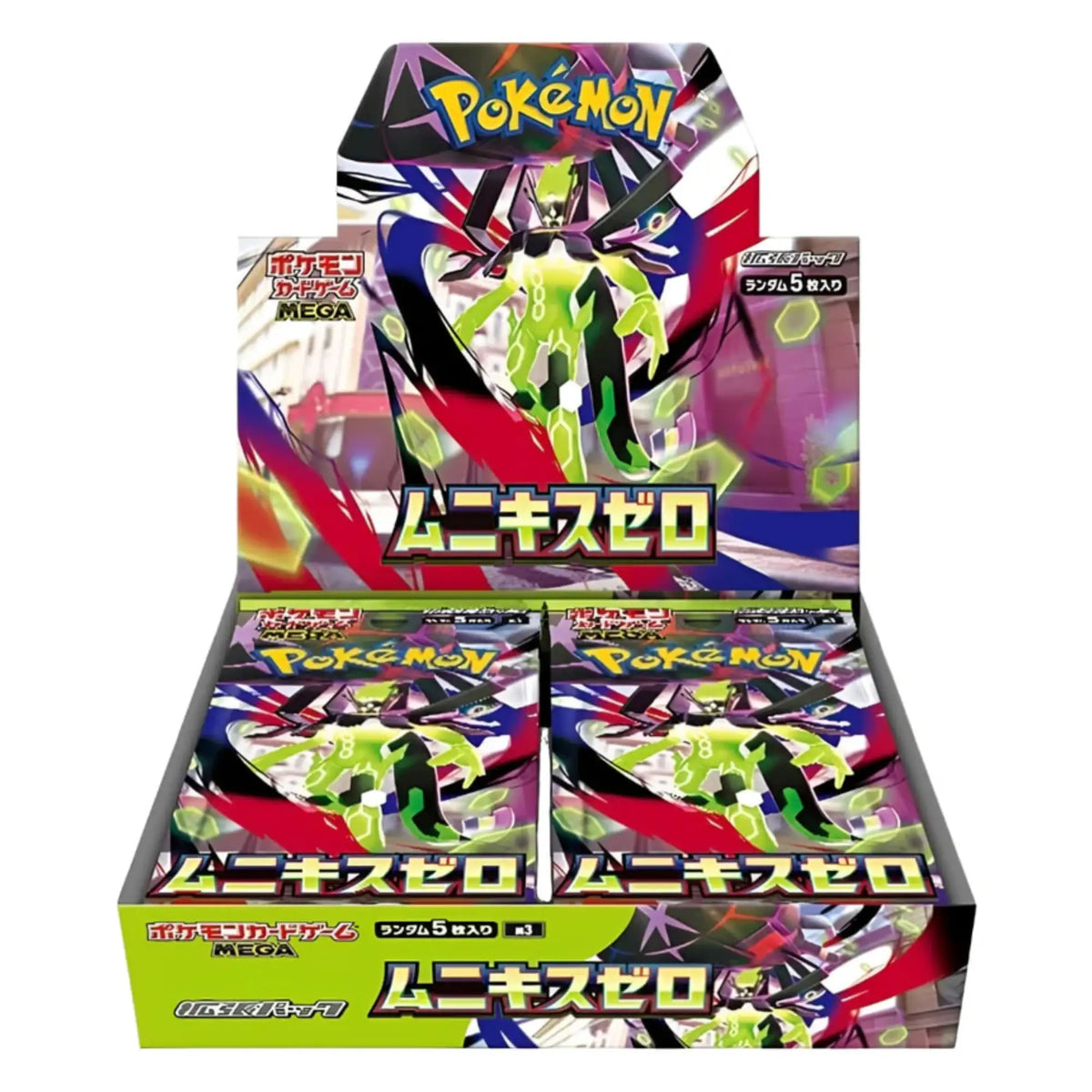
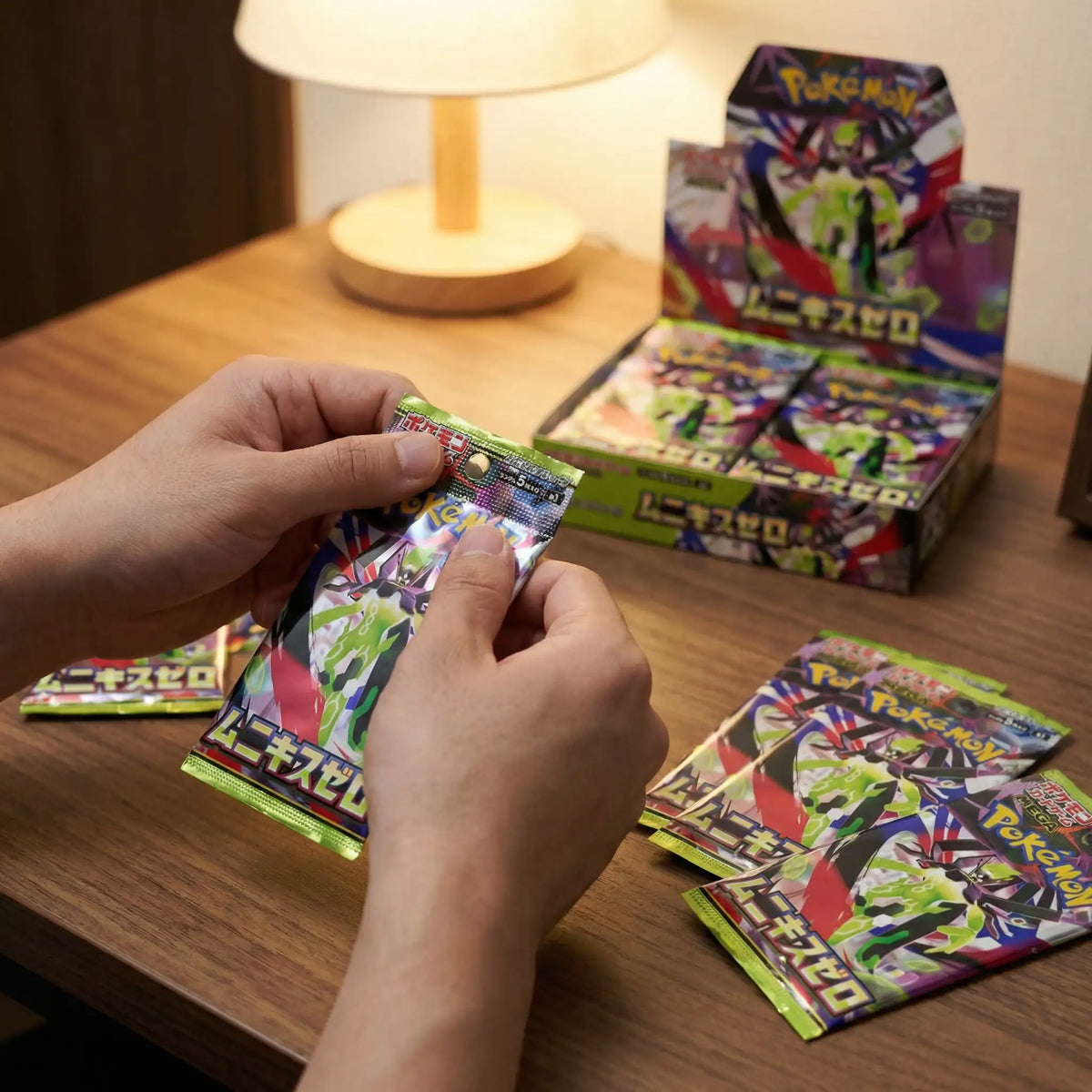
Not only cards are counterfeited; Boosters, Displays, and Elite Trainer Boxes are also copied or resealed. Warning signs include loose or wrinkled foil, glue residue, uneven seals on boosters, blurry printing on the packaging, or a Booster Display in which the Boosters sit unusually loosely. A common trick: Boosters are opened, the rare cards are removed, and the pack is glued shut again. So buy sealed products only from retailers who source directly through official distribution channels.
8. Price and seller
The strongest warning sign is the Price. If a sought-after Booster Display, a desirable card, or an entire package is offered well below market price, you should be suspicious. The Pokémon Company also points out that a Price far below the recommended retail price almost certainly indicates counterfeits. Also look for complete company details, verifiable contact information, and secure Payment methods with buyer protection.
What should you do if you've ended up with a fake?
- Contact the seller and request a refund. If you paid using buyer protection, you can open a claim there.
- Report the Offer on the relevant platform.
- Don't play the card in tournaments: only genuine cards are allowed at official Play! Pokémon events.
- Don't resell the card, not even "as a fake," as it could later be offered as genuine again.
How to buy Pokémon cards safely
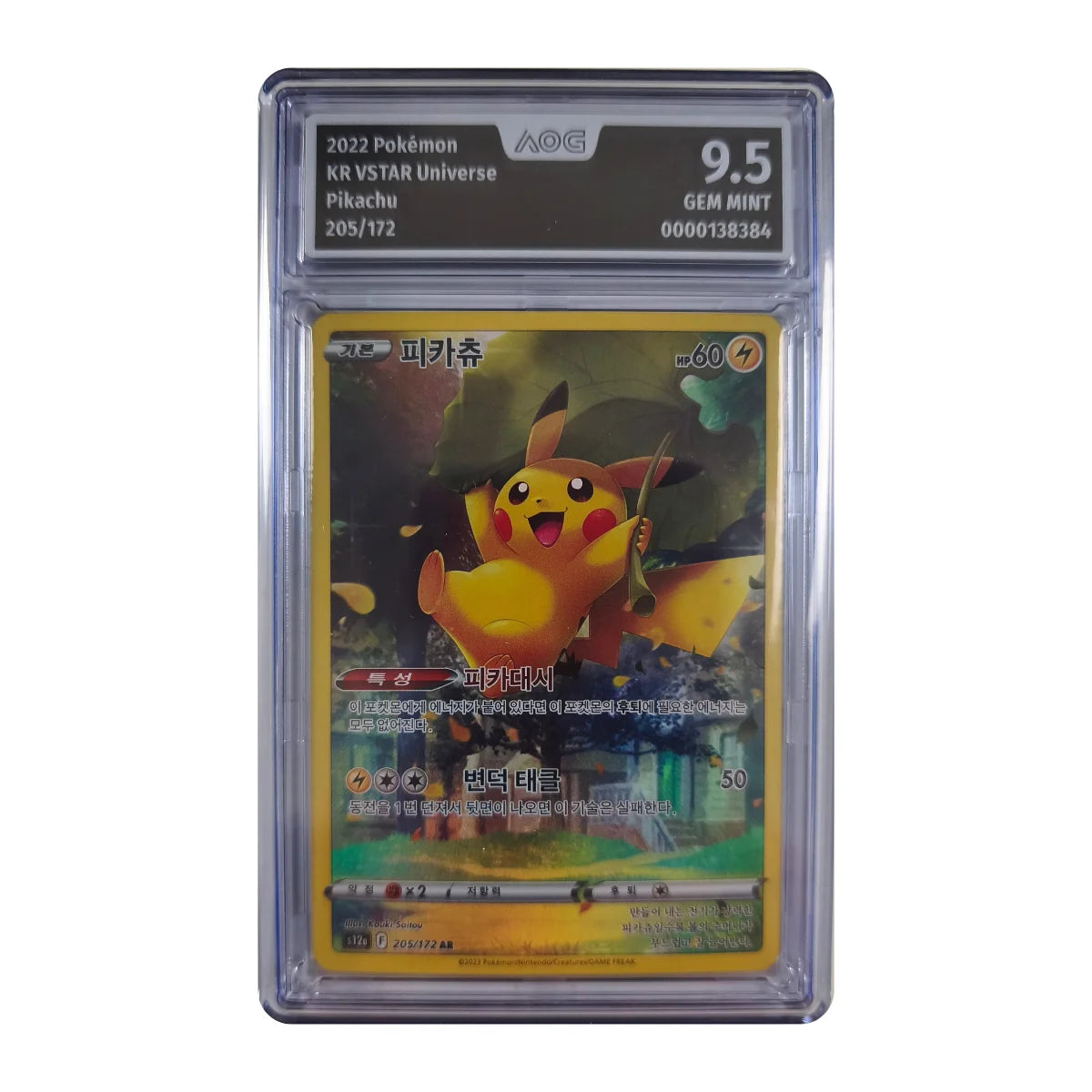
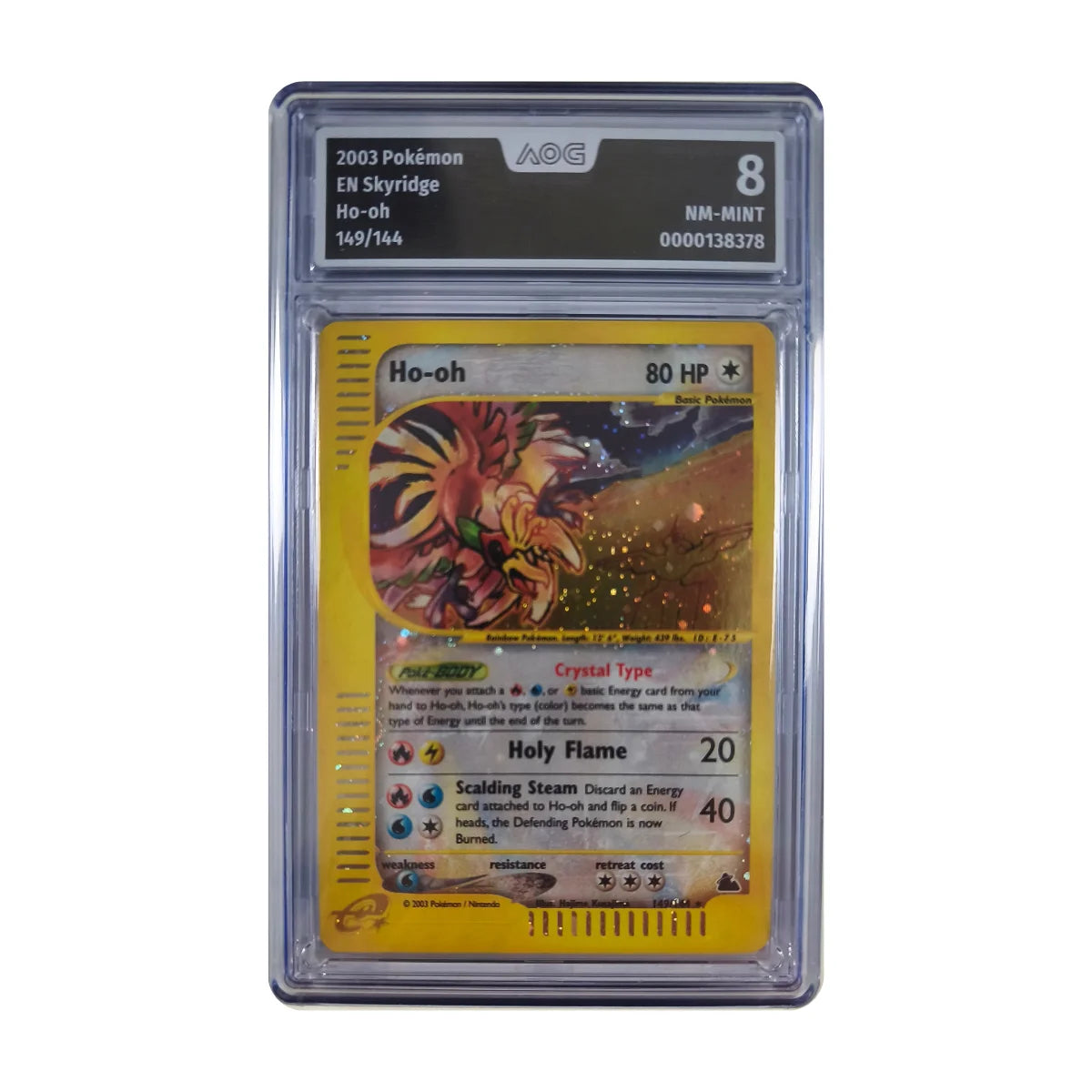
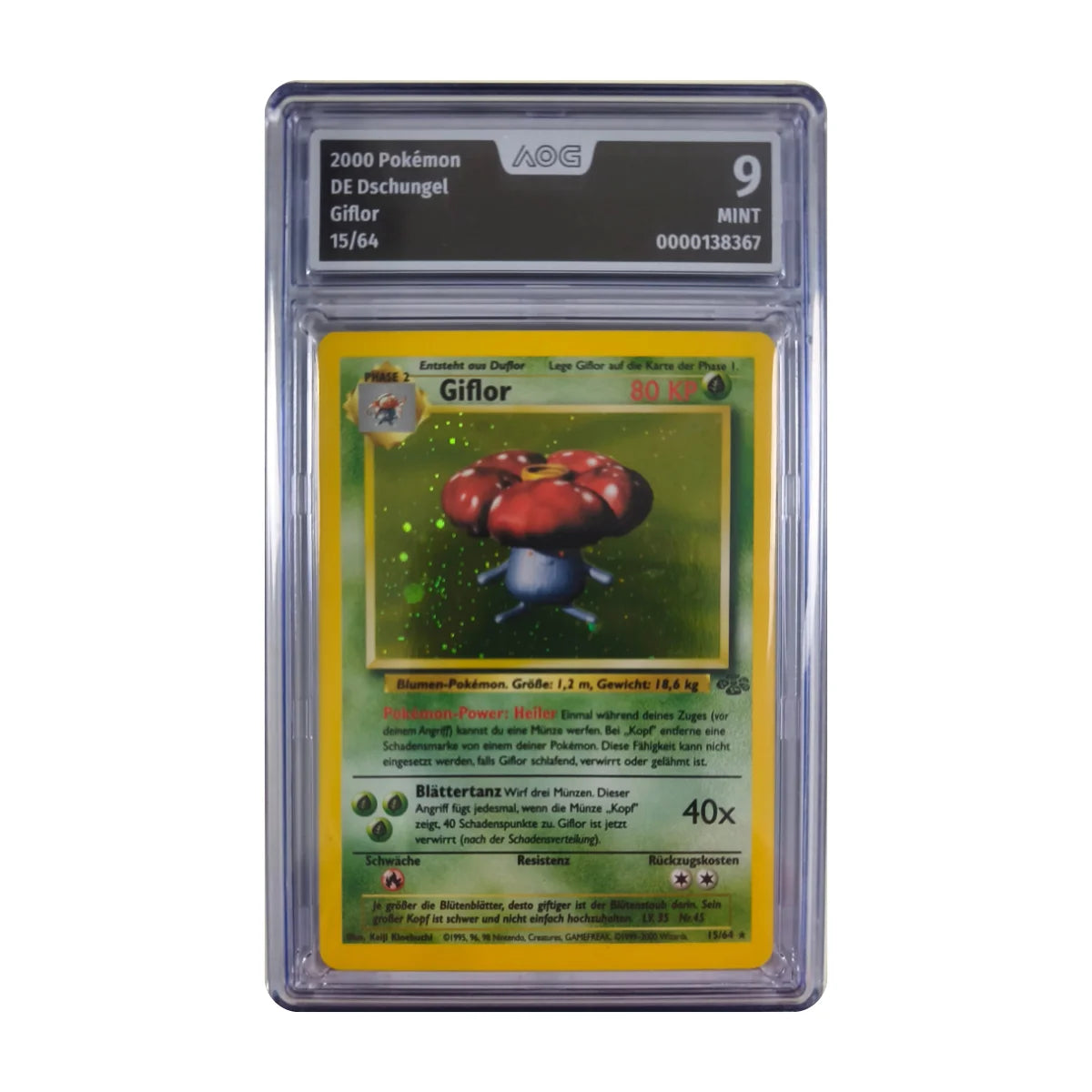
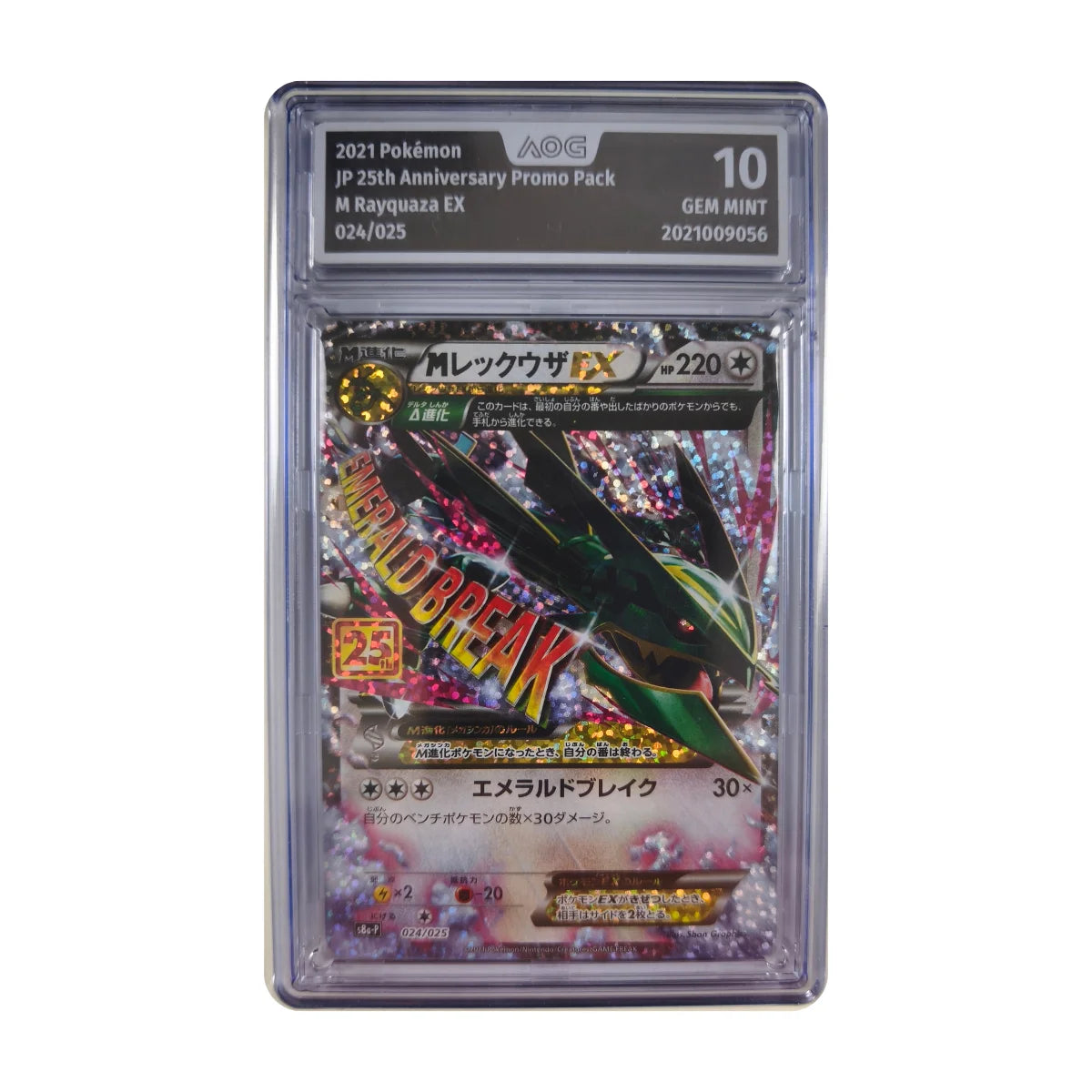
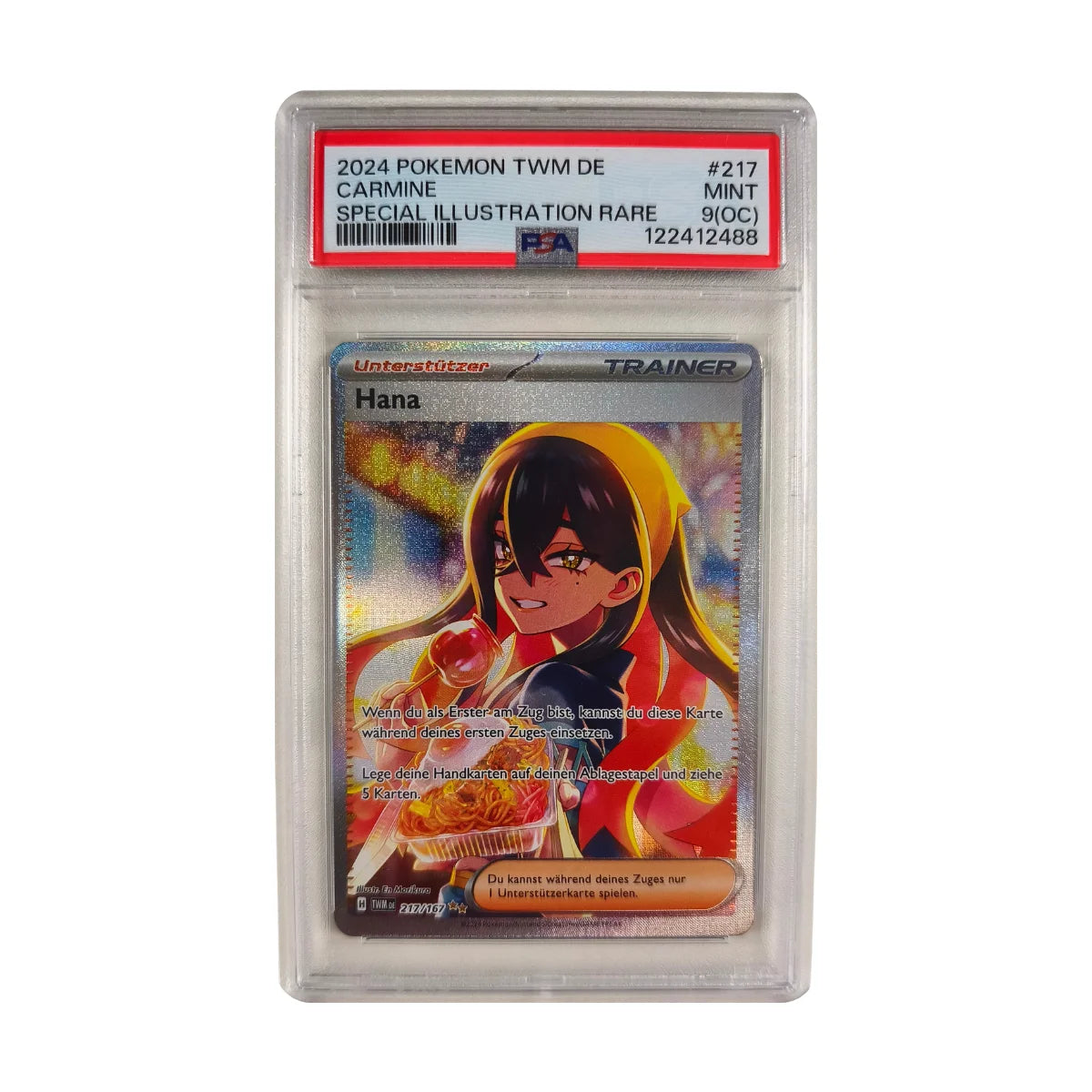
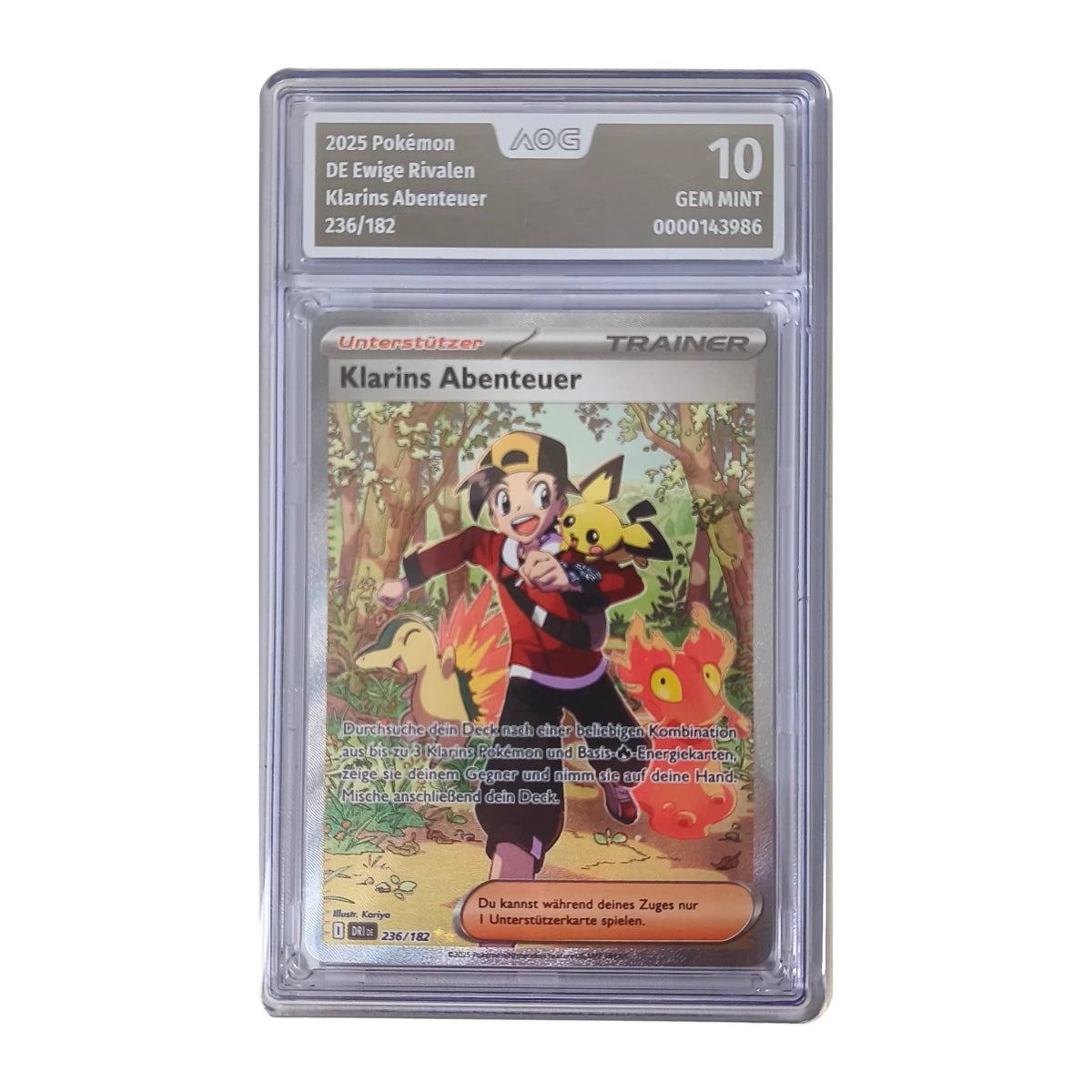
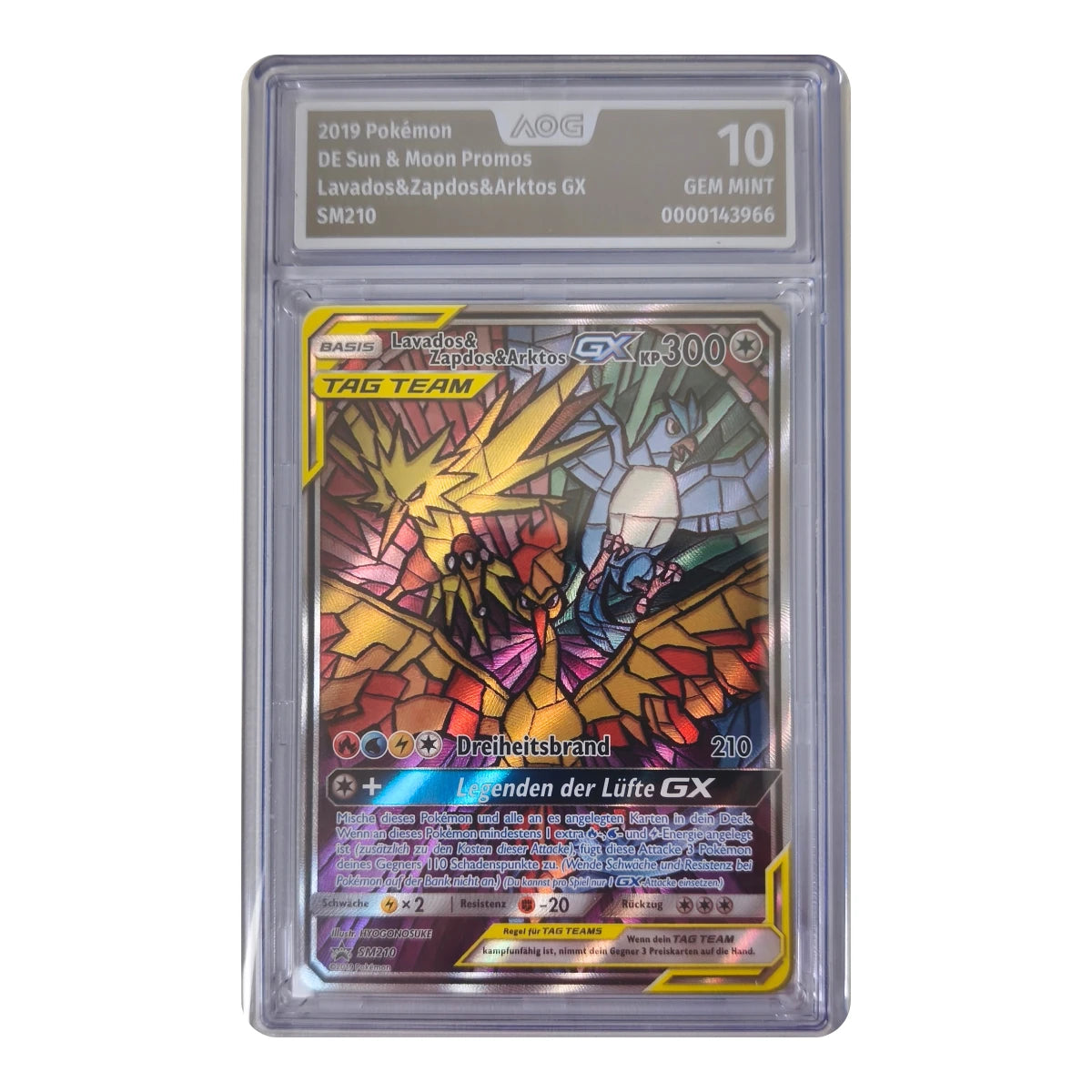
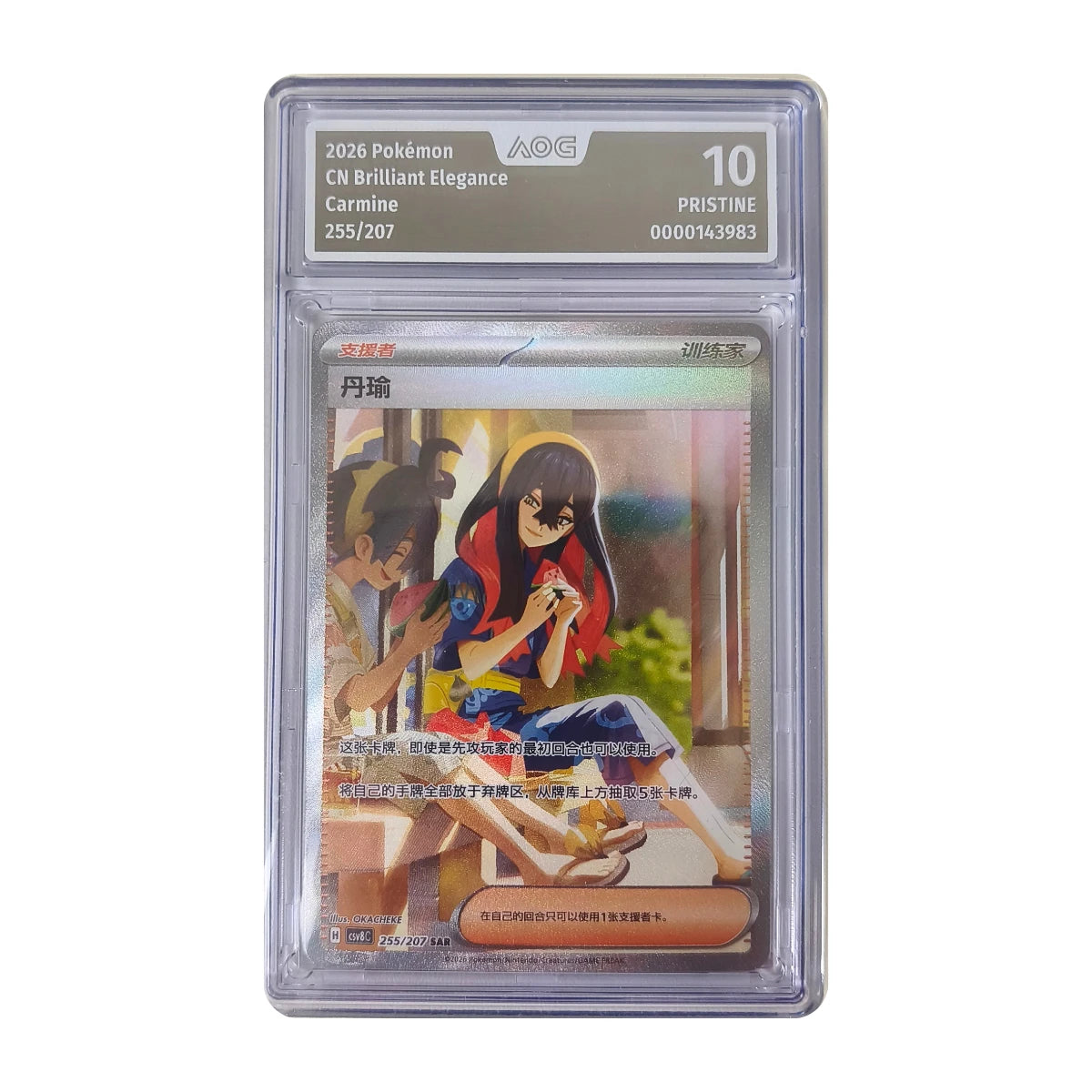
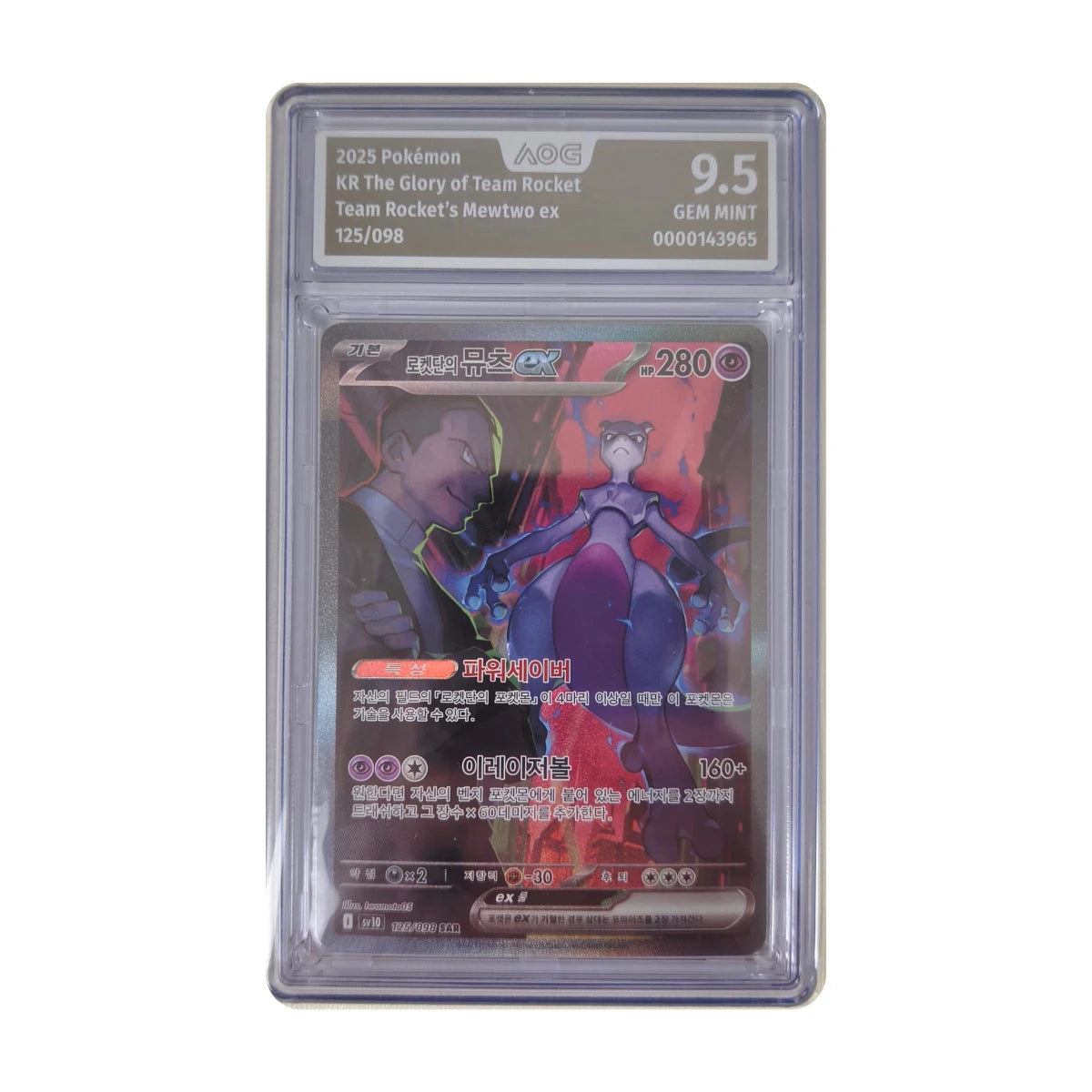
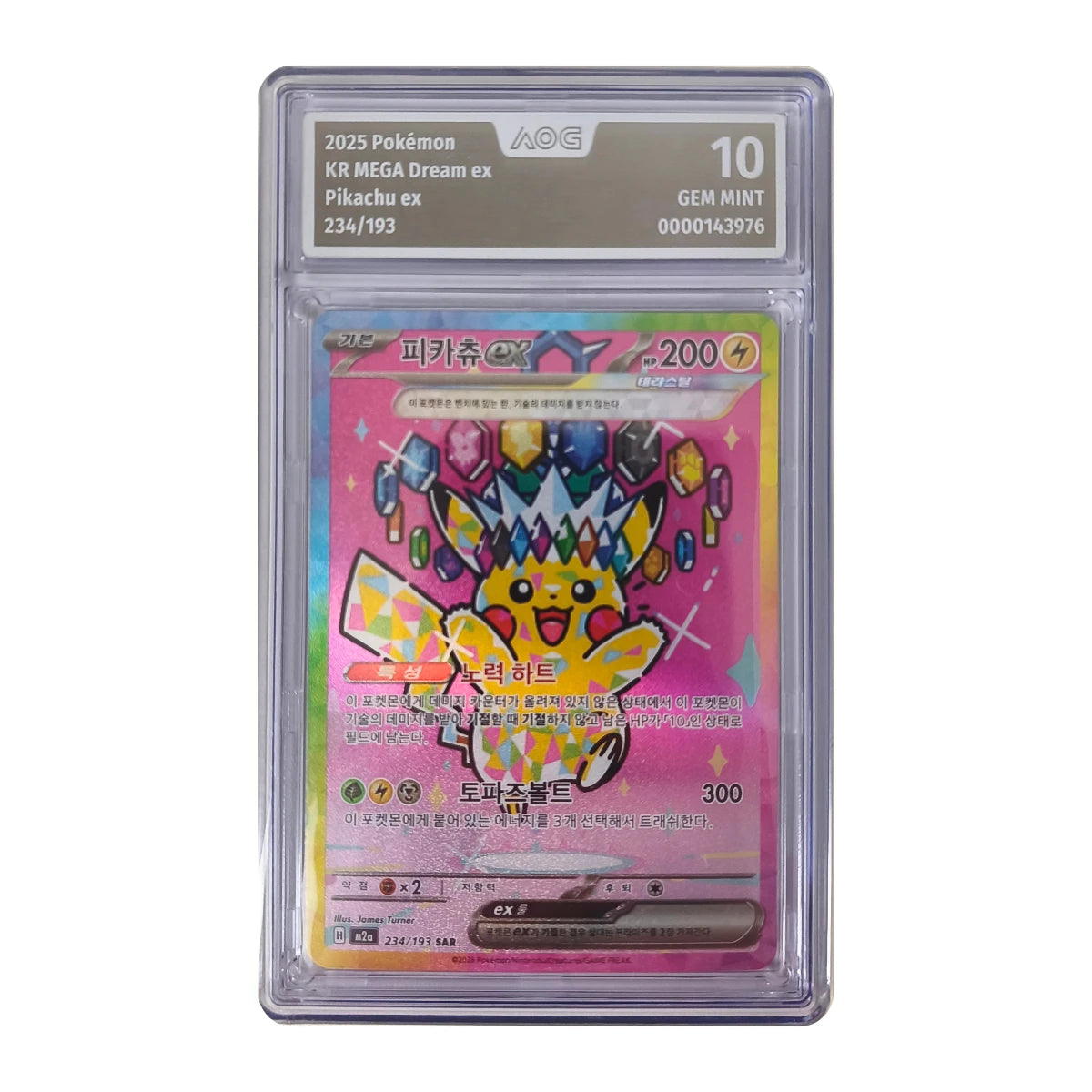
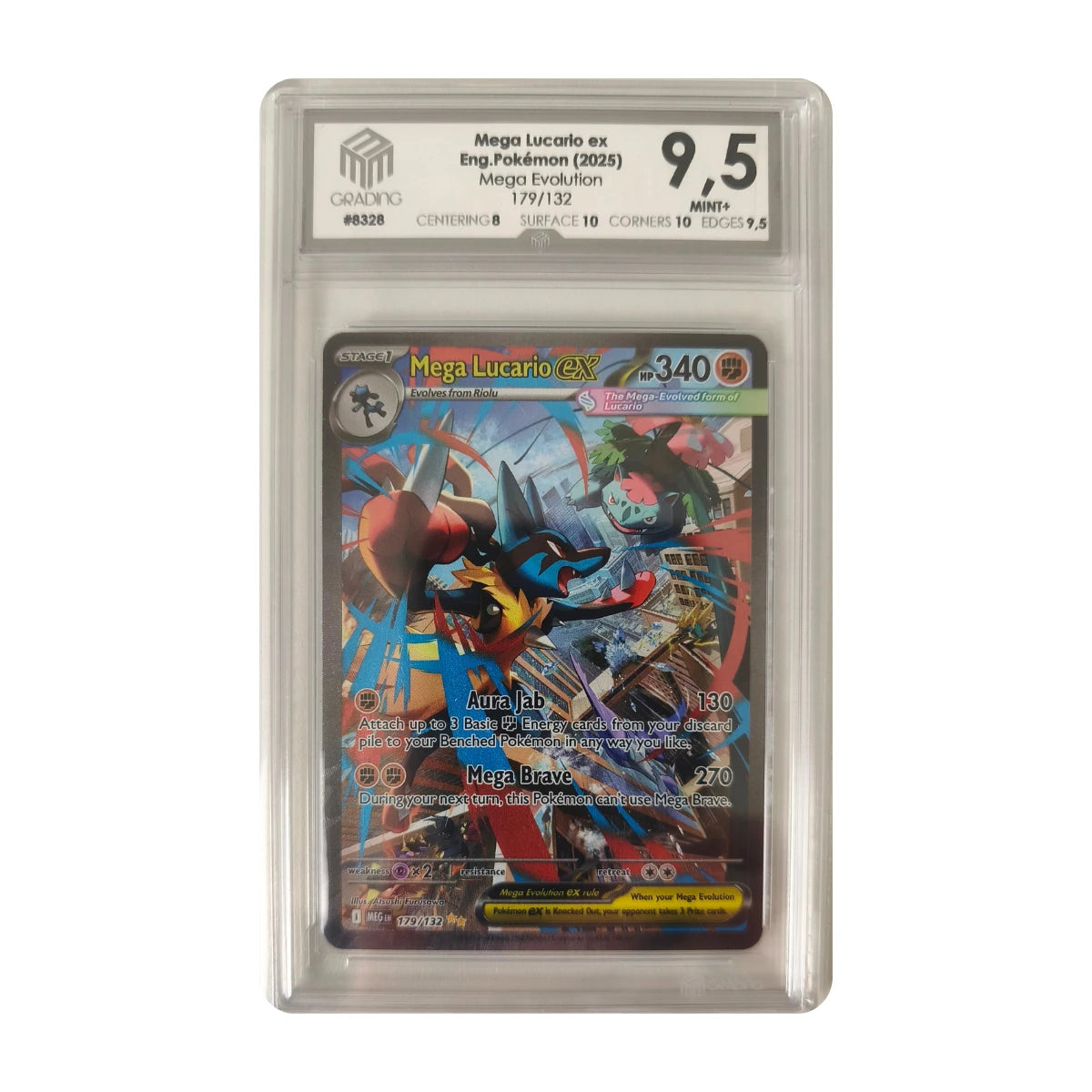
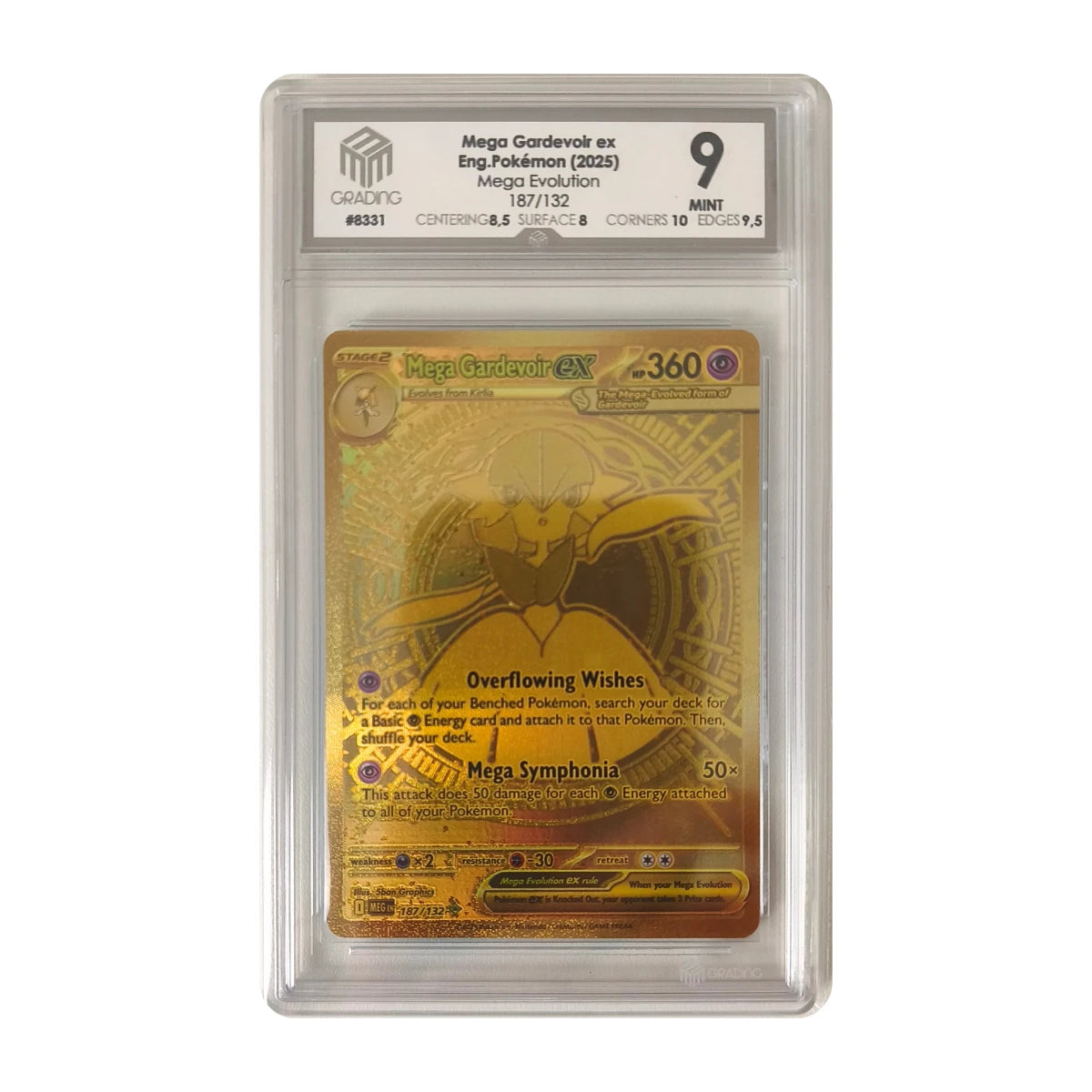
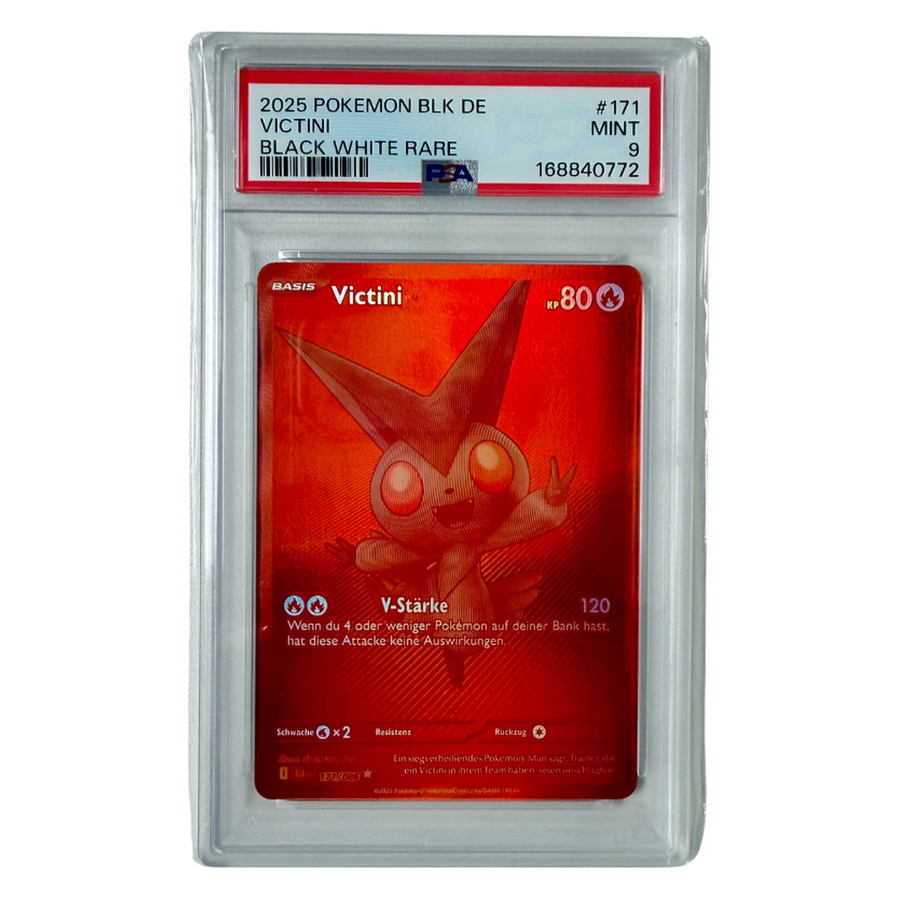
Buy sealed products from established retailers with a physical store or clear company information. For expensive single cards, graded cards offer additional security because a Grading company has verified their authenticity and stored the card in a sealed Sealed Case. Our article What are graded cards? explains what Grading involves. The best way to protect genuine cards is with sleeves and toploaders; our guide How to store Trading cards properly shows you which ones you need.
At cardcosmos, we source sealed products through official distribution channels, and you can also view cards in person at our stores in Flensburg and Fahrdorf.
 Victini #171/086 (Black Bolt) - PSA 9 MintView product →
 cardcosmos - 3" x 4" Premium Top Loader 35PT | 25 pcsView product →
 Dragon Shield Sleeves - Matte Standard Jet | 100 pcsView product →
Read more
- Buying Pokémon cards: Where can you order online safely and from a reputable seller?
- How to determine the value of and sell Pokémon cards
- Storing Trading cards: sleeves, Toploaders, and Binders
Frequently asked questions
What’s the quickest way to spot a counterfeit Pokémon card?
Place it next to a genuine card and compare the back, lettering, and Holo effect. Then try the light test: many counterfeits let significantly more light through.
Does the light test work on every card?
It’s a good indicator, but not proof. Better counterfeits sometimes pass it. So always combine it with the other characteristics.
Are there counterfeit Boosters and Displays too?
Yes. There are counterfeit packages and resealed Boosters from which the rare cards have been removed. Check that the seals are intact and buy from reputable sellers.
Are counterfeit cards allowed in tournaments?
No. Only genuine cards may be played in official Play!-Pokémon tournaments.
Can cardcosmos check my card?
When you offer us cards for purchase, we check them anyway. But only professional Grading provides a binding Authenticity guarantee for cards from other sources.






Leave a comment
This site is protected by hCaptcha and the hCaptcha Privacy Policy and Terms of Service apply.